

Lake Tahoe wedding timelines are deeply shaped by environment. Light, travel logistics, terrain, weather, elevation, and venue layout all influence how a wedding day ultimately feels and photographs. What appears manageable during planning often unfolds very differently once guests, transportation, and real movement throughout the landscape are introduced.
Over the years, I’ve found that the strongest wedding days are rarely the ones packed tightly with activity. They are the ones that feel intentional, spacious, and handled. When there is enough room to move through the day comfortably, couples are able to stay present with the people around them instead of feeling like they are constantly trying to catch up.
Travel Time in Lake Tahoe Is Often Misunderstood
One of the most common things couples underestimate in Tahoe is travel time.
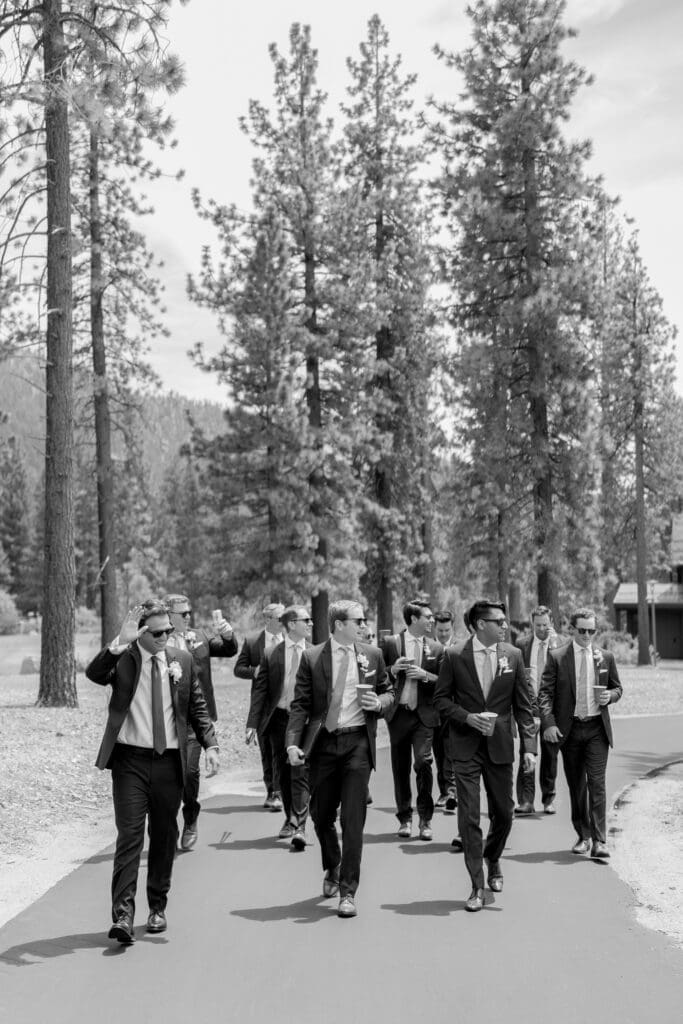
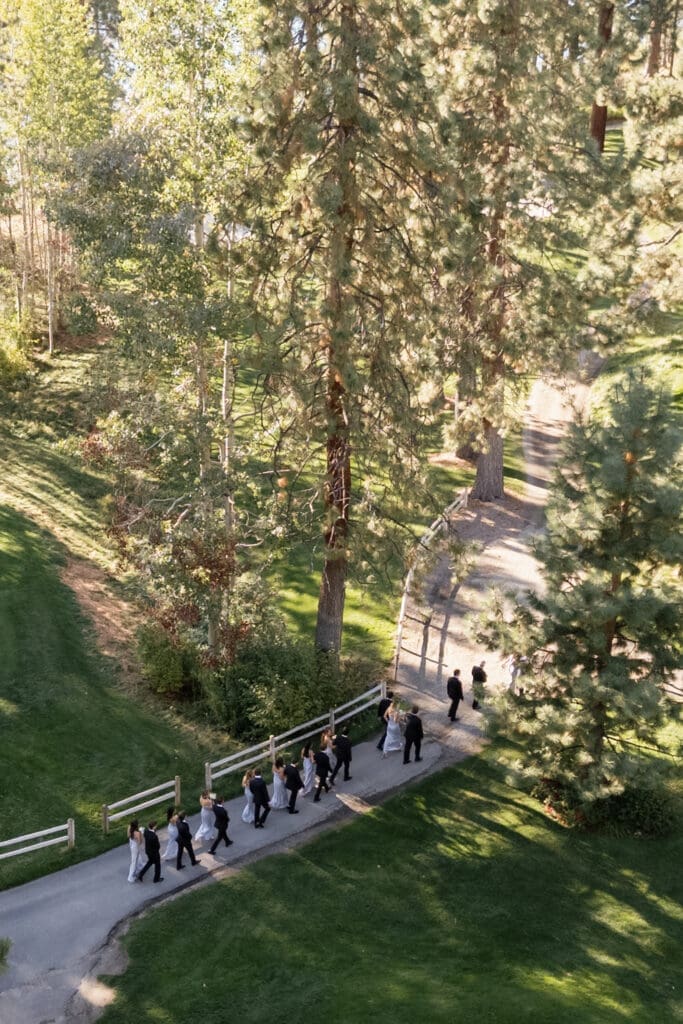
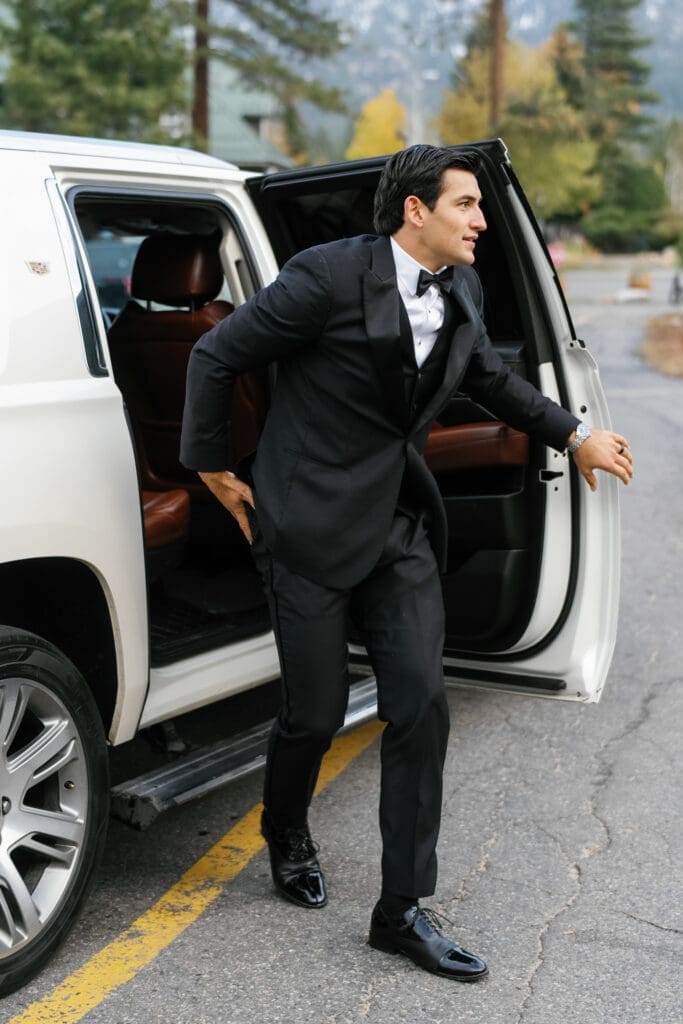
There are also many smaller delays that quietly accumulate throughout the day. Large resort venues often involve longer walks, on-site shuttle coordination, golf cart transportation, guests arriving from different venues or hotels, and, in some cases, being shuttled into the property itself. Transitions between portrait locations, ceremony spaces, and receptions also tend to take longer simply because of the environment and scale of many Tahoe properties. Many Lake Tahoe wedding venues involve far more movement and transportation coordination than couples initially expect.
During the planning process, many clients check distances during the off-season or on weekdays and assume the drive shown on a maps app will remain consistent on the wedding day. In reality, Lake Tahoe traffic can become unpredictable during peak season, especially on weekends. A drive that normally takes 10 minutes can easily become 30 or 40 minutes once summer traffic builds around the lake.
Some Lake Tahoe venues naturally allow for more breathing room within the day than others. Properties like Edgewood Tahoe, Everline Resort & Spa, and Thunderbird Lodge all photograph very differently depending on ceremony timing, transportation logistics, guest count, and how movement across the property is handled throughout the day.
Building realistic buffer room into a Lake Tahoe wedding timeline helps create a day that feels calmer, more present, and significantly less rushed.
Mountain Venues Move Differently Than Traditional Venues
Tahoe weddings naturally move at a different pace than many traditional wedding venues.
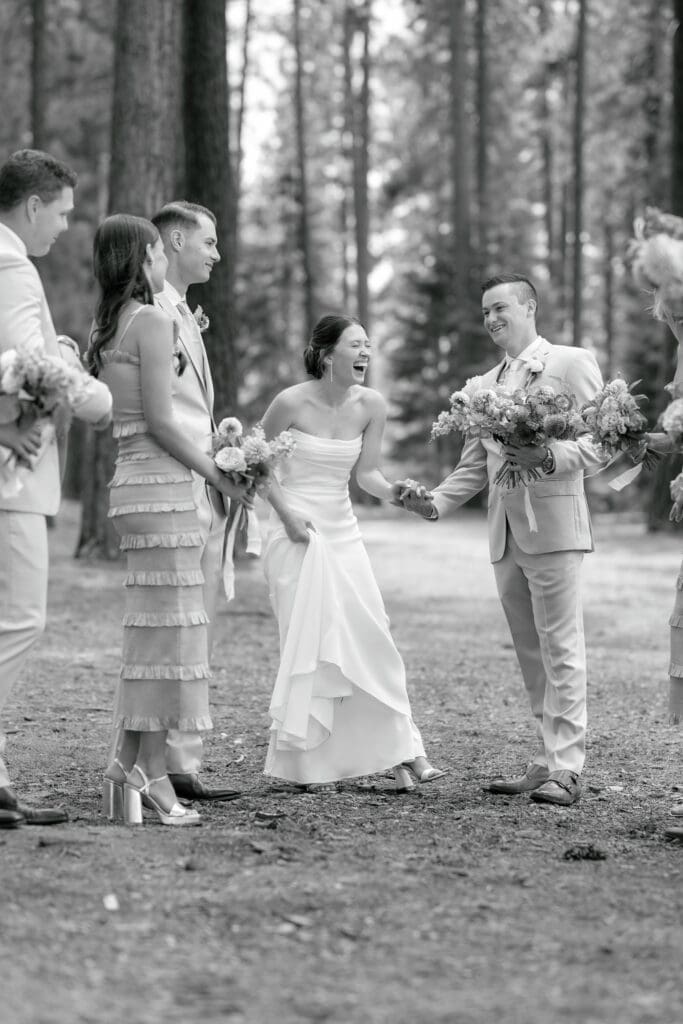
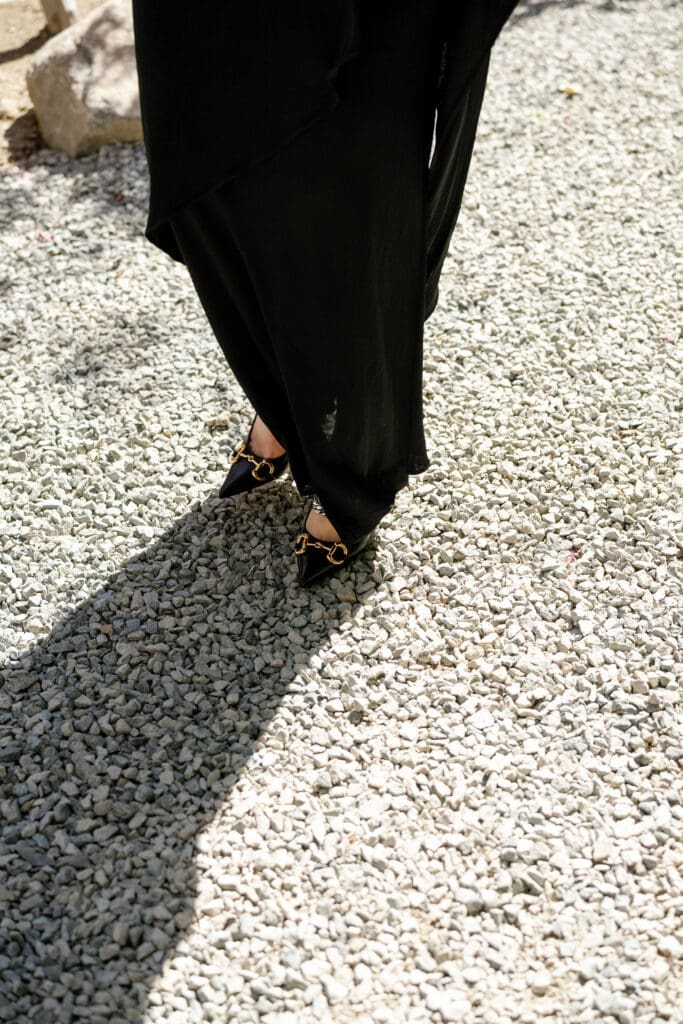
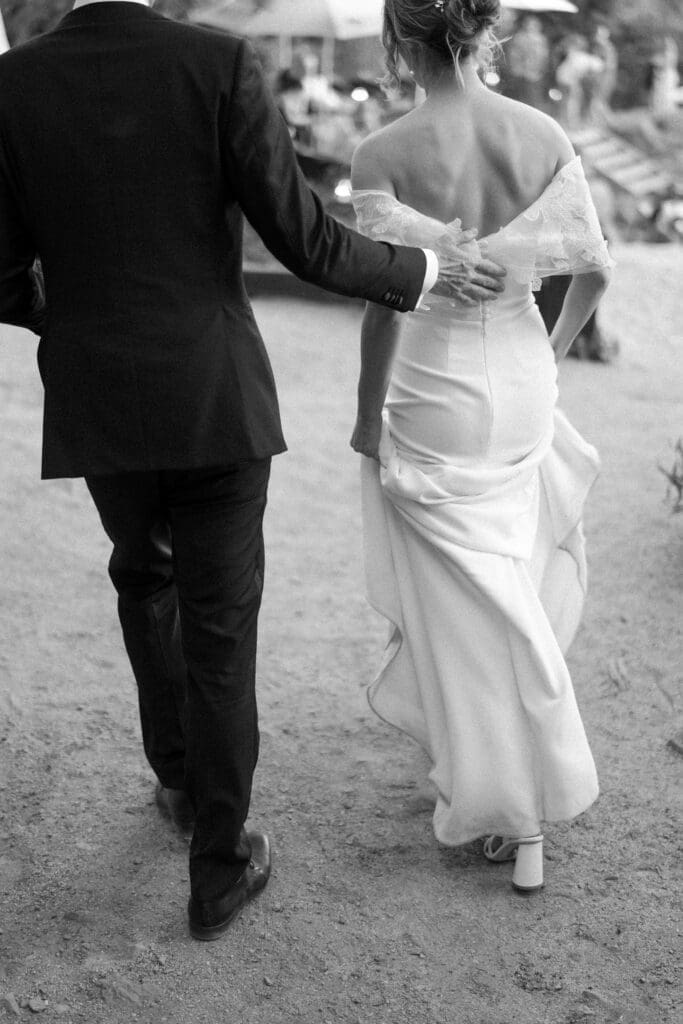
This is a mountain environment. There are longer travel distances, shifting weather conditions, outdoor transitions, and more movement throughout the day than many couples initially expect. Bridal parties wearing heels and formal attire often move more carefully because of the terrain and uneven surfaces. Because of this, even simple transitions between locations can take longer than anticipated.
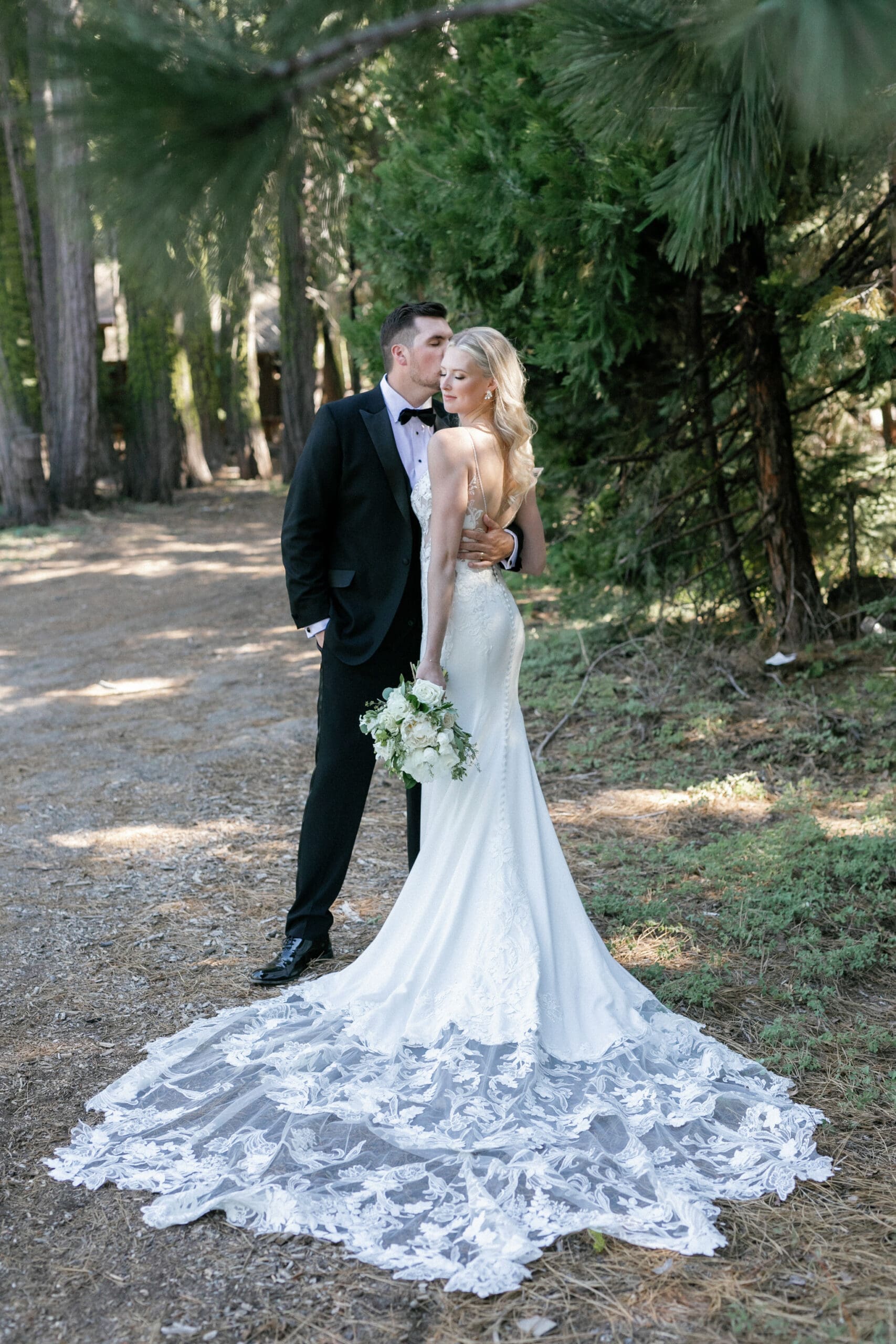
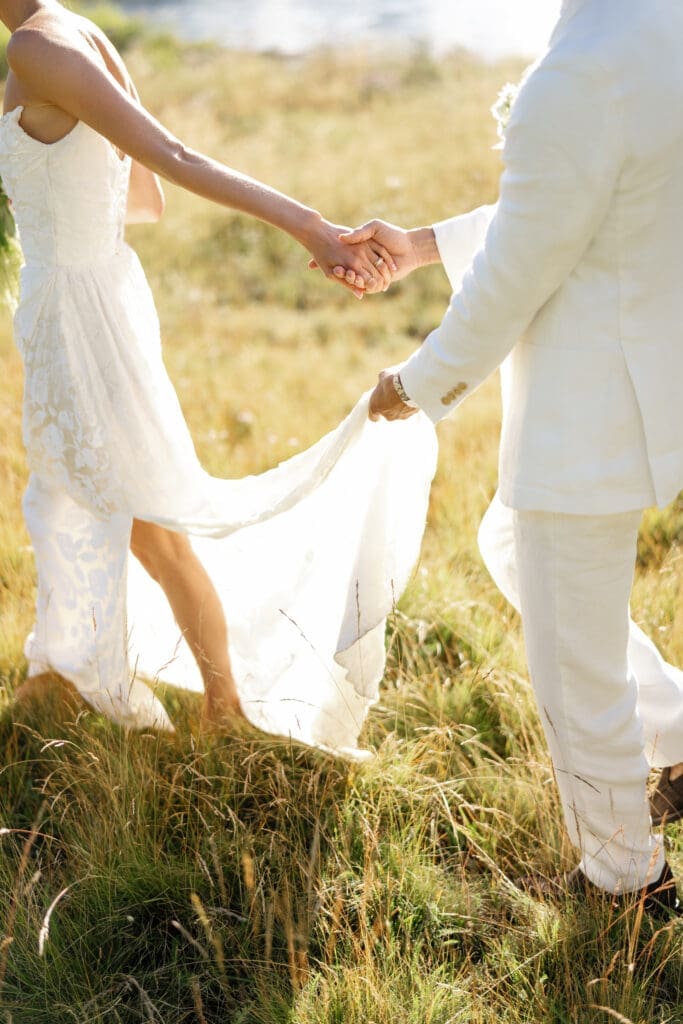
A white wedding dress that feels pristine indoors suddenly enters a real outdoor environment. Brides can naturally become concerned about the condition of their dress while moving through shorelines, forest terrain, gravel paths, tall grass, docks, and changing weather conditions. If the timeline already feels compressed, that added layer of awareness can quietly create stress and distraction, pulling couples out of the joy of simply being present.
Building thoughtful buffer room into Lake Tahoe wedding timelines helps create a day that feels calmer, more flexible, and far more enjoyable to experience in real time.
How Stress and Rushed Timelines Affect the Experience
One of the biggest misconceptions about Lake Tahoe wedding timelines is that rushed schedules only affect logistics. In reality, they shape the emotional atmosphere of the entire day.
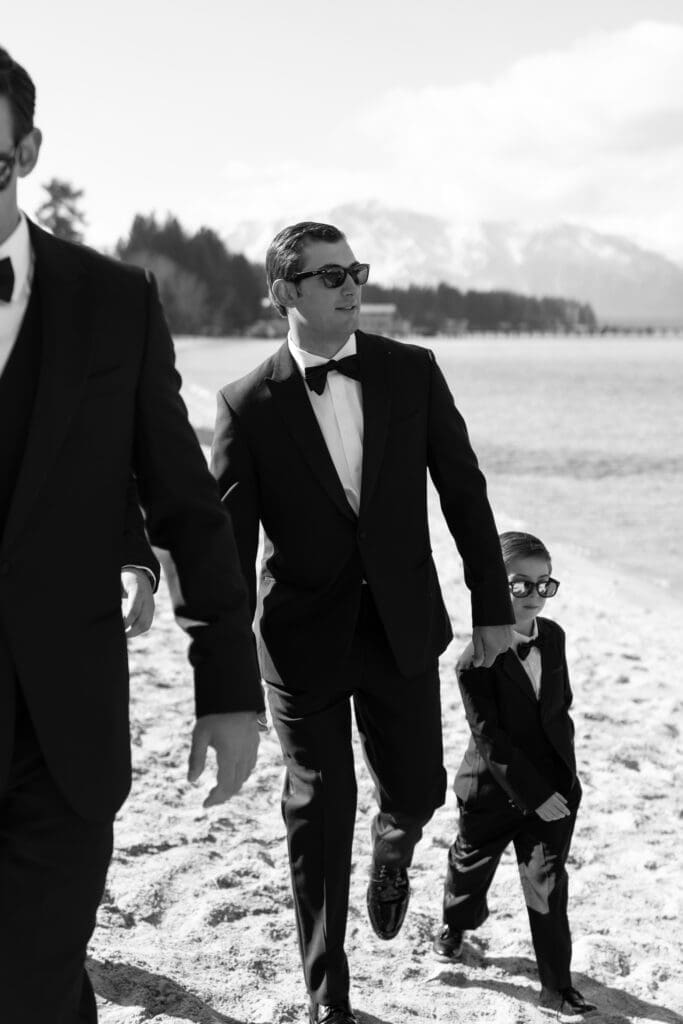
When timelines become compressed, energy changes quickly. Couples become more anxious, families become more stressed, and attention shifts toward the clock instead of the experience itself. Small delays often compound into larger ones, affecting transportation timing, portrait flow, family photos, and the overall pacing of the day.
Wedding party or family members can easily become separated between locations, delayed during transportation, or simply difficult to gather once the day is fully underway. One missing person or extended transition can shift the flow of the entire schedule.
The most effortless wedding days are rarely the ones packed with the most activity. They are the days where people feel present, prepared, and able to move through the experience without feeling rushed.
Understanding Light at Lake Tahoe Wedding Venues
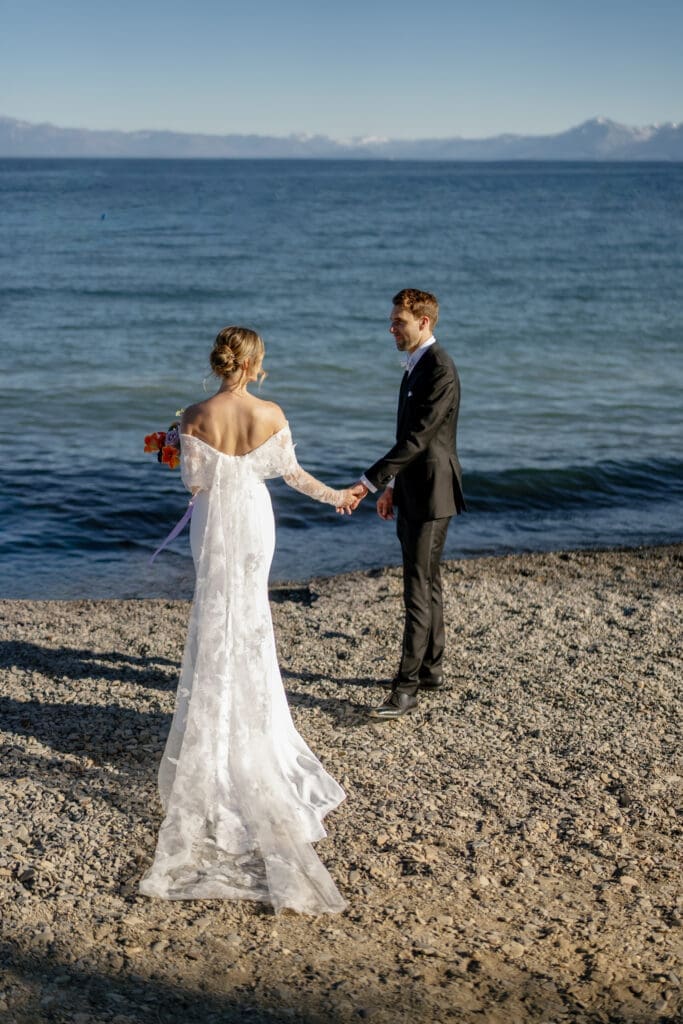
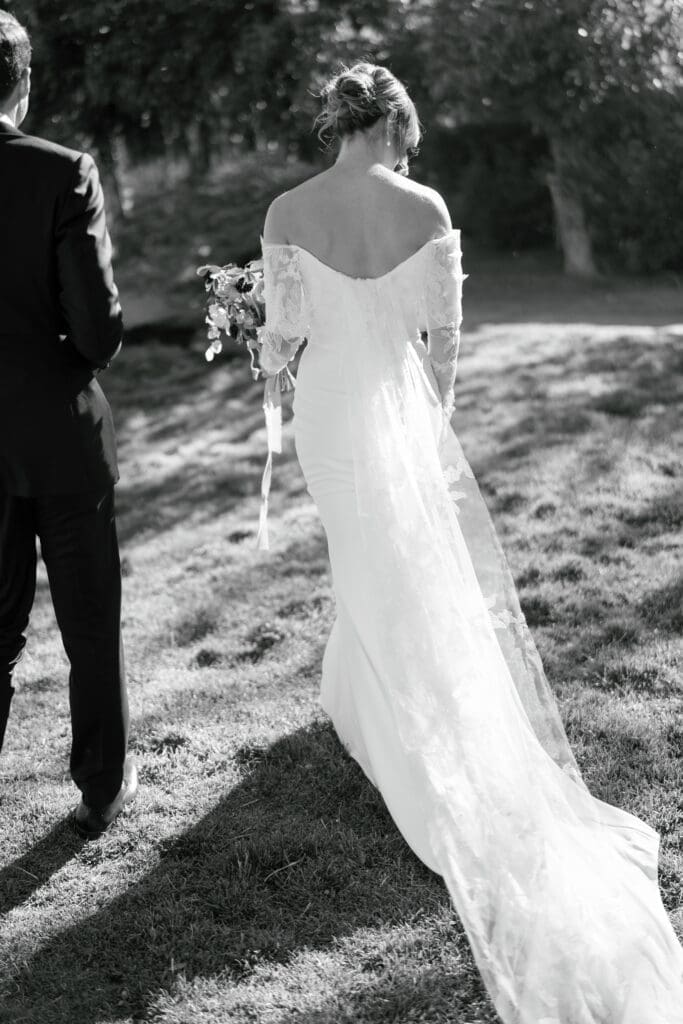
The lake itself is highly reflective, which creates unique lighting challenges throughout much of the day. In order to create soft and even light on subjects, photographers often need to position couples, wedding parties, and families within shaded areas.
The challenge is that these shaded areas often exist directly beside intensely bright water and sky. An exposure that looks natural and flattering on skin tones in the shade can cause the water and sky to become heavily overexposed and lose much of their color and detail. This is one of the reasons many Lake Tahoe wedding images show bright white water rather than the deep blue tones couples often envision.
Throughout much of the day, we are carefully searching for areas where light feels balanced across both the landscape and the subjects within it. In Tahoe, successful photography often depends on finding small pockets of soft and even light while the surrounding landscape still retains depth, color, and detail.
How Light Shapes Tahoe Wedding Photography
Nearly all photographers rely on shade to create softer and more even light for portraits.
Lake Tahoe wedding timelines become more complicated depending on the side of the lake and the surrounding environment. On the East Shore, venues like Edgewood often have more open spacing between trees, which can create uneven patches of sunlight rather than fully shaded areas. This can produce high-contrast conditions where backgrounds remain intensely bright while subjects move through inconsistent light.
West Shore venues behave differently. Shorelines there often fall into shade much earlier than the lake itself, which changes how portrait timing needs to be approached. Because of this, successful photography in Tahoe often depends on careful positioning, timing, and an understanding of how light moves throughout the landscape. Venues like Everline Resort often provide softer and more even evening light because of the surrounding terrain and tree coverage.
Creating Space for Presence on Your Wedding Day
The best wedding Lake Tahoe wedding timelines do more than keep a day organized. They create emotional space.
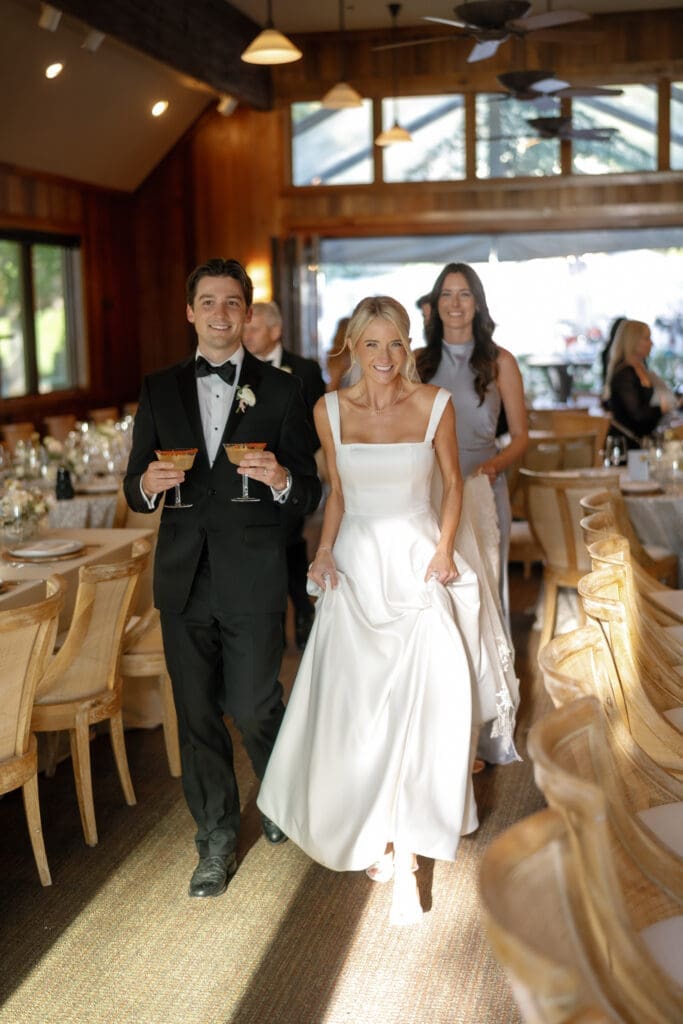
When a wedding day is built well, it feels calm, intentional, and unhurried. Couples are able to stay connected to each other, enjoy their families and friends, and fully experience the atmosphere around them instead of reacting to stress or rushing between moments.
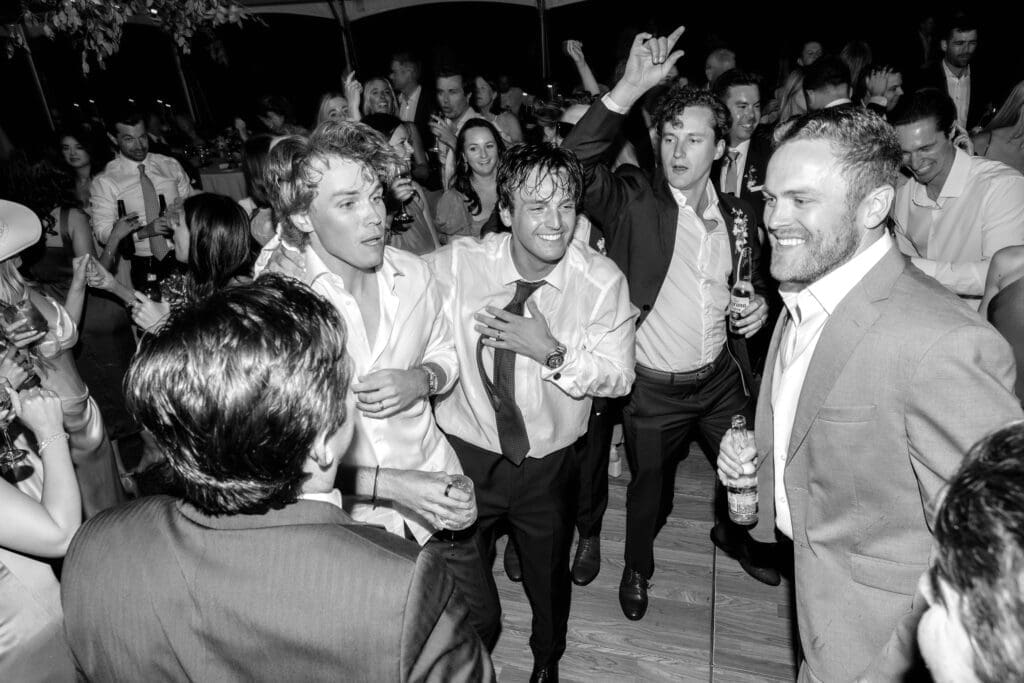
Some of the most enjoyable wedding days I’ve photographed felt almost effortless. Everyone arrived on time, transitions moved smoothly, and there was enough space throughout the day for people to breathe, laugh, and genuinely enjoy the experience they had spent so long planning.
That sense of ease affects everything. It changes the emotional atmosphere of the day and ultimately the photographs themselves.
Final Thoughts on Lake Tahoe wedding timelines
Lake Tahoe is one of the most beautiful places in the world to get married, but it is also an environment that rewards thoughtful planning. The combination of mountain terrain, travel logistics, reflective light, and constantly shifting conditions makes intentional timelines especially important here.
A well-constructed timeline creates space for the day to unfold naturally rather than feeling rushed from one event to the next. It allows couples to remain emotionally connected, gives guests time to settle into the experience, and creates flexibility when unexpected delays inevitably arise. Some of the most meaningful moments throughout a wedding day happen in the in-between spaces, and those moments are often lost when a timeline becomes overly compressed.
Working with an experienced Lake Tahoe wedding photographer can make a significant difference when building a timeline that feels calm and realistic. My approach is always centered around helping couples feel guided, comfortable, and able to experience the day naturally as it unfolds. Beautiful photographs are important, but the experience of the day itself matters just as much.
Example Lake Tahoe wedding timeline Highlights
May 18, 2024
1:30 PM — Shuttle transportation to Lot B
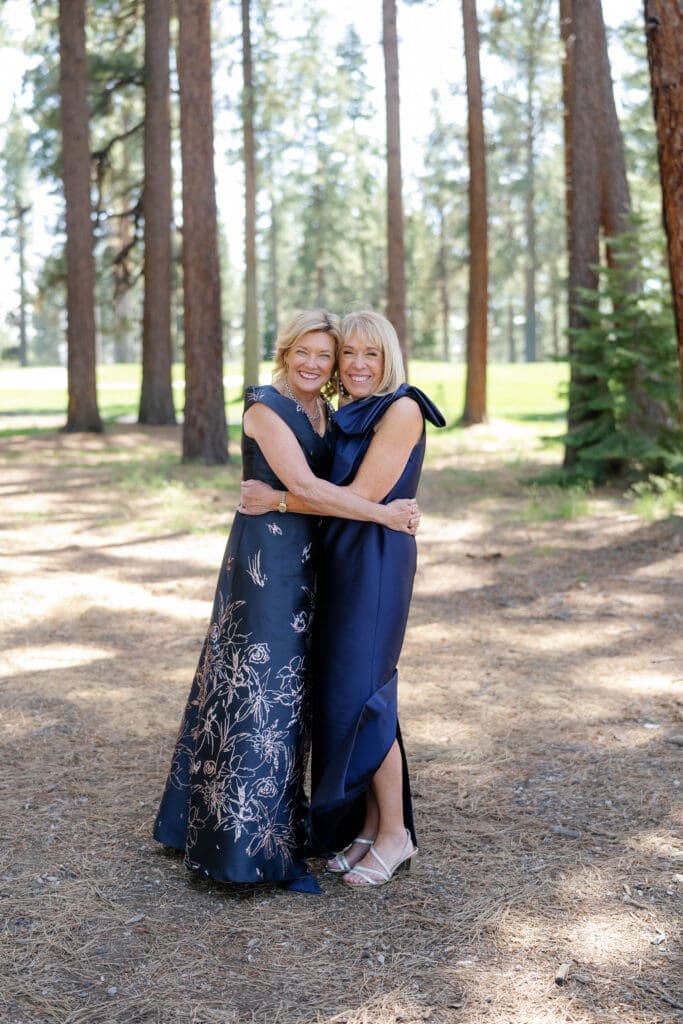
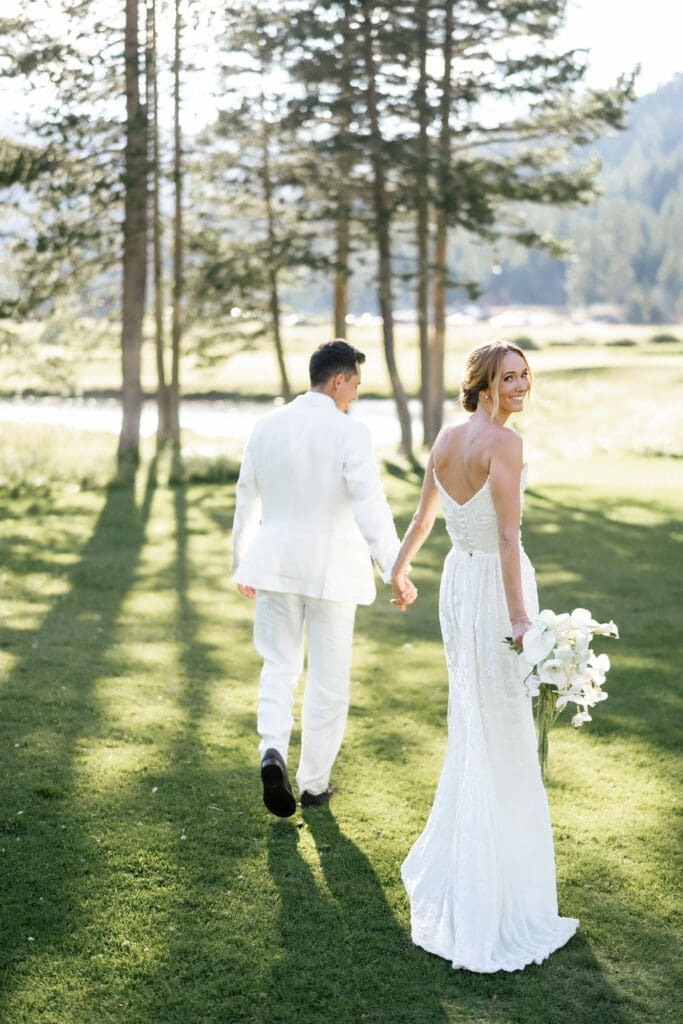
Portraits were intentionally moved within the trees at Lot B where the light was softer and more even during the middle portion of the day. The dense tree coverage in this area also helps block wind, keeps hair and clothing more controlled, and can even provide partial shelter during unexpected rain.
1:45 PM — First look within the trees at Lot B
This location allowed for more balanced skin tones while avoiding the harsh reflective light directly along the shoreline.
2:00–3:00 PM — Wedding party and family portraits
Family members were shuttled separately to avoid delays and create a calmer experience between locations.
3:00 PM — Transportation back to the lodge
Additional buffer room was built into the timeline to account for guest movement, shuttle coordination, and transitions throughout the property.
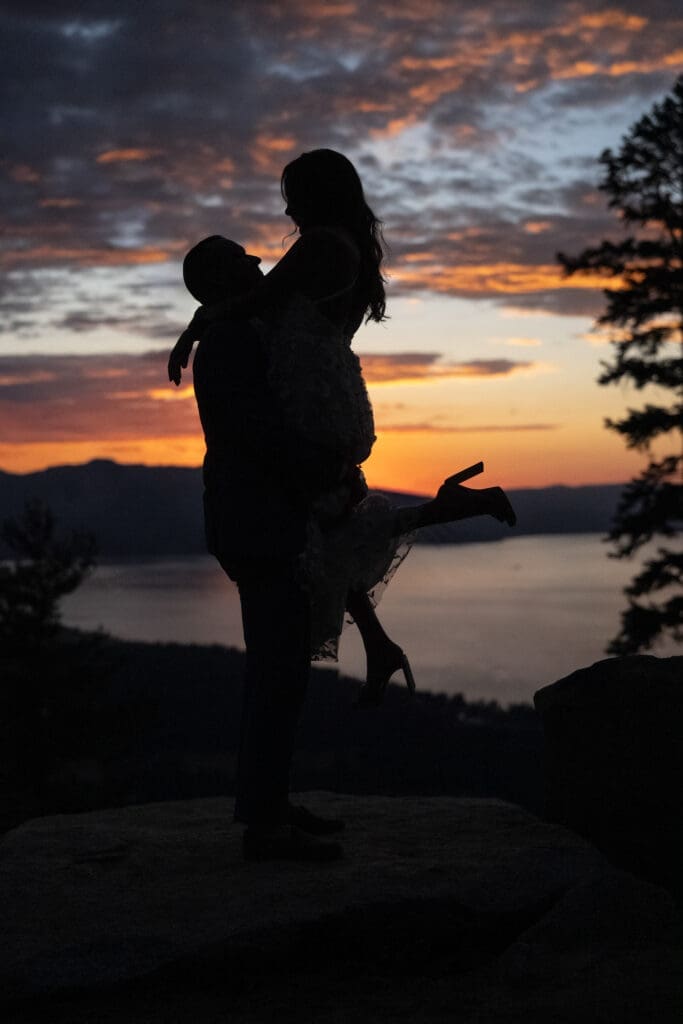
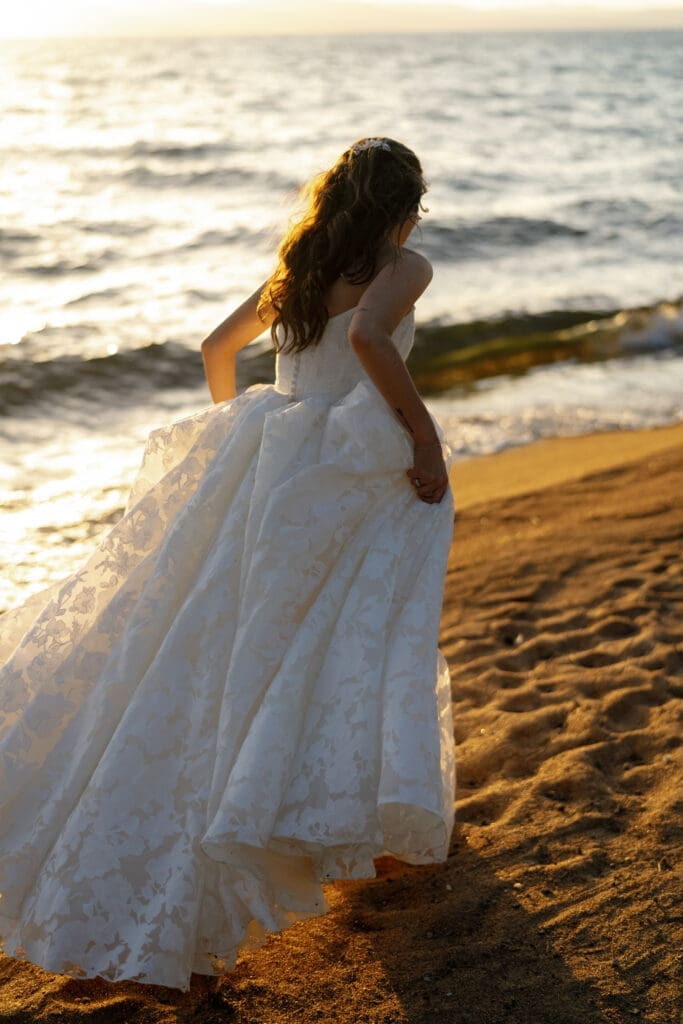
7:45 PM — Sunset portraits along the shoreline
Portraits near the lake were intentionally scheduled later in the evening once the light became softer and more balanced across both the subjects and the landscape.
Thoughtful timelines create space for presence, connection, and a wedding experience that feels as beautiful as the photographs themselves. If you are planning a Lake Tahoe wedding and want guidance building a day that feels calm, intentional, and visually aligned with the landscape, I would love to connect.


